
5 Lessons I’ve Learned About Food Photography From Owning a Michelin-Recommended Restaurant
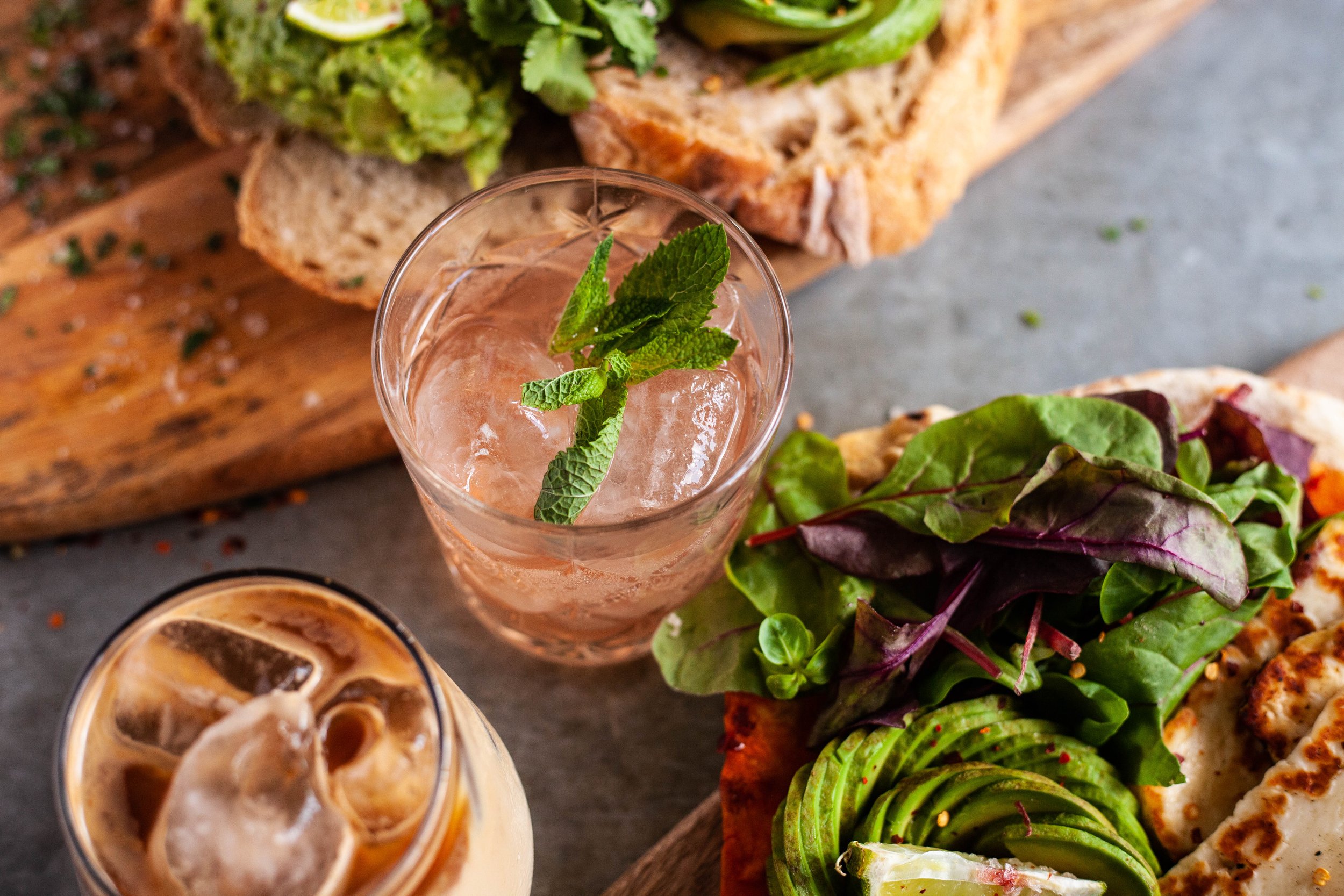
Running a restaurant teaches you things about food that are quite hard to explain to someone who hasn't done it. Not just how it tastes, though obviously that's the good bit. More like how it behaves. How it changes in the thirty seconds between the pass and the table. How a sauce that looks perfect to a chef can look completely wrong in a photo. How the difference between a dish that makes someone stop scrolling and one that doesn't is sometimes something really small and quite hard to name.
I co-owned and ran a Michelin-recommended, 2 AA Rosette restaurant with my chef partner for years. Before that I'd worked pretty much every role going — commis chef, front of house, bar, barista, manager, runner. My partner trained under Angela Hartnett, Marcus Wareing and Jason Atherton. Between us we've plated up a lot of food and had a lot of conversations about whether something looked as good as it tasted. Sometimes it did. Sometimes it really didn't.
When I moved into food photography full time, all of that came with me. These are five things that time in hospitality taught me that I genuinely don't think I could have learned any other way.
1. Freshly cooked dishes photograph best
This sounds obvious until you're actually on a shoot and someone suggests plating everything up first so it's all ready to go. Please don't do this.
Food photography is not a race exactly, but it is a bit of a sprint. The window between a dish coming off the pass looking incredible and that same dish looking tired and a bit sad is shorter than most people expect. Pasta stops glistening. Meat loses its colour. Garnishes make their feelings known pretty quickly and those feelings are not photogenic.
When I shoot I always work with the kitchen on timing rather than against it. Each dish comes out when it's ready, we shoot it, we move on. It takes a bit more coordination but the difference in the images is not subtle. You can always tell when something has been sitting around waiting for a photographer to get themselves together and it never looks good.
2. Your backdrop and tableware should actually match your restaurant
You wouldn't plate a refined, elegant dish on a plastic tray. So it's worth approaching what goes behind and underneath your food in photos with the same level of thought.
Dark moody surfaces on a light airy menu feel off. Bright clinical backgrounds on a cosy neighbourhood restaurant feel equally wrong. There's a version of food photography that looks fantastic in isolation and feels completely disconnected from the actual place when you see it in context, and that disconnect is something people pick up on even if they couldn't tell you exactly why.
It doesn't have to be complicated. It just needs to feel like the same place, the same brand, the same experience someone will actually walk into. The photos should feel like an extension of your restaurant rather than a parallel universe version of it that exists only for Instagram.
3. Schedule your shoot around team tastings if you can
If your kitchen already does menu tastings when something new goes on (and it’s worth doing so your team can explain the nuance!) it's worth thinking about whether your photography session could sit alongside that.
Less food waste. Dishes being plated with real care because nobody wants to present something sloppy to their own team. And crucially, the people who actually made the food are right there to tell you how it's meant to be eaten, how the sauce is supposed to go on, what the garnish is actually doing there beyond just looking nice.
That context makes a genuine difference to how you shoot something. Knowing that the sauce gets poured at the table rather than plated in the kitchen changes the shot entirely. Knowing that a dish is meant to be eaten pulled apart rather than admired whole changes the angle. The chefs know things about their food that don't always make it into a brief and being in the room with them means you pick that up.
4. Sauces and gravies don't always need to be on the plate
A puddle of gravy sitting on a plate can look a bit dense and flat in a photo. The same gravy poured from a jug mid-shot looks completely alive and suddenly you've got something worth stopping for.
Action shots of sauces add movement and a sense of the dish actually being served rather than just sitting there. It's one of those things where the food photography and the real service experience can tell the same story, which is always the goal. A good food photo shouldn't feel like a still life. It should feel like something is about to happen.
So if you've got a sauce worth showing off, save some back and we'll do a pour. It almost always makes a better shot than anything sitting static on the plate.
5. Reflective plates cause more problems than you'd think
Crockery is genuinely underrated as a consideration in food photography and it's one of the first things I look at when I arrive somewhere. A really beautiful dish on the wrong plate can be quite difficult to rescue in camera and even harder in editing.
Highly reflective surfaces bounce light around in ways that are hard to control. They create glare and hot spots that pull the eye away from the actual food and towards a bright patch of nothing on the rim of a plate. Matte or softly textured plates just behave so much better. The food stays the main character and everything else supports it rather than competing with it.
It's worth having a look through what you've got before a shoot and thinking about whether the crockery is doing the food justice or quietly working against it.
These are five things I come back to on pretty much every shoot and they all came directly from time spent in actual kitchens rather than anything I read in a photography book. Understanding how food works, how a kitchen runs, and what a dish is supposed to look like when it's done right; that's the part that changes what ends up in the images, and it's not really something you can replicate without having been there.
If you've been thinking about getting some proper photography done for your restaurant, café, coffee shop or food brand and you're not sure whether it's actually worth it, I wrote honestly about that here. And if you want to find out more about how I work with hospitality businesses across Derby and the Midlands, you can do that here.